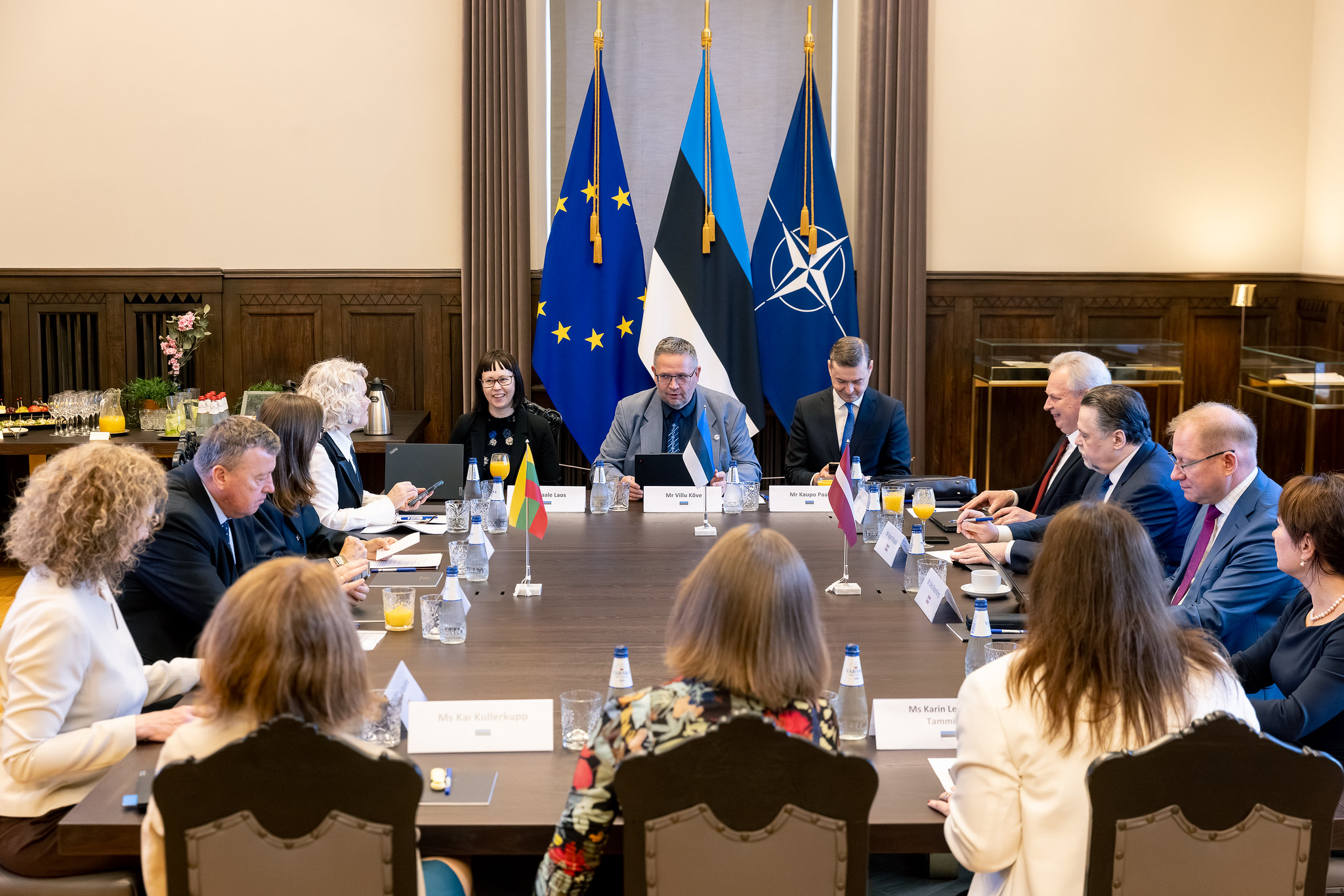
President of the Supreme Court of Estonia, Mr Villu Kõve noted that the number of administrative cases increased significantly in Estonia over the past year. The number of civil cases has also risen by 7% compared with the previous year. While the number of criminal cases had been declining for several years, there are now indications that this trend may be changing. Overall, the efficiency of the Estonian courts has decreased and the duration of proceedings has increased. The most challenging situation is currently faced by the Civil Chamber and the Administrative Law Chamber of the Circuit Courts of Appeal. Reflecting on the work of the Supreme Court during the previous year, President Kõve highlighted complaints related to the 2025 local government council elections and the exceptionally short statutory deadlines prescribed for their adjudication. Mr Kõve also provided his Baltic colleagues with an overview of the draft court reform legislation and the planned changes to the court administration model. In addition, discussions addressed judicial recruitment procedures and the filling of judicial vacancies.
President of the Supreme Court of Lithuania, Ms Danguolė Bublienė observed that Lithuania is likewise facing difficulties in attracting new judicial candidates. The overall number of cases has remained relatively stable, with only a slight increase in criminal cases. At the same time, the average duration of proceedings has decreased and courts’ efficiency remains strong. In the field of administrative court procedure, Lithuania is preparing legislative amendments aimed at reducing the number of unmeritorious cases reaching the courts. President Bublienė also drew attention to several issues currently high on the agenda of the Lithuanian judicial system: (1) security concerns in court buildings; (2) budgetary constraints and difficulties in recruiting support staff; (3) the development of a methodology for the application of precedent-based reasoning; and (4) a decision of the Judicial Council under which, from 1 June 2026, journalists will get access to judgments before they enter into force.
According to President of the Supreme Court of Latvia, Mr Aigars Strupišs, the number of cases in all categories of proceedings has decreased by approximately 25% compared with 2019 and has now stabilised. However, dissatisfaction among judges regarding workload continues to grow. Latvia is also seeking to make court administration independent of the executive branch, and the relevant legislative proposal is currently before the Latvian Parliament. In addition, Latvia is planning a reform of the legal assistant system within the courts. The reform would establish minimum educational requirements for legal assistants, approximately 15% of whom currently have no legal education, and would link their remuneration to judicial salaries in a manner similar to the remuneration system for court clerks in Estonia. The Latvian judiciary is also actively developing artificial intelligence solutions. A tool for searching court judgments has already been completed, and the next stage will focus on developing a text analysis tool.
During the session devoted to civil and criminal case law, participants reviewed significant judgments and statistical trends from recent years. Discussions also covered several judgments of the Court of Justice of the European Union and the European Court of Human Rights, including
Finbergs v. Latvia (No.
57845/21 ), concerning the reasoning required when not granting leave to appeal, and other decisions affecting the judicial system as a whole. In addition to case law, participants exchanged views on the organisation of the chambers of the highest courts and generational change within the judiciary.
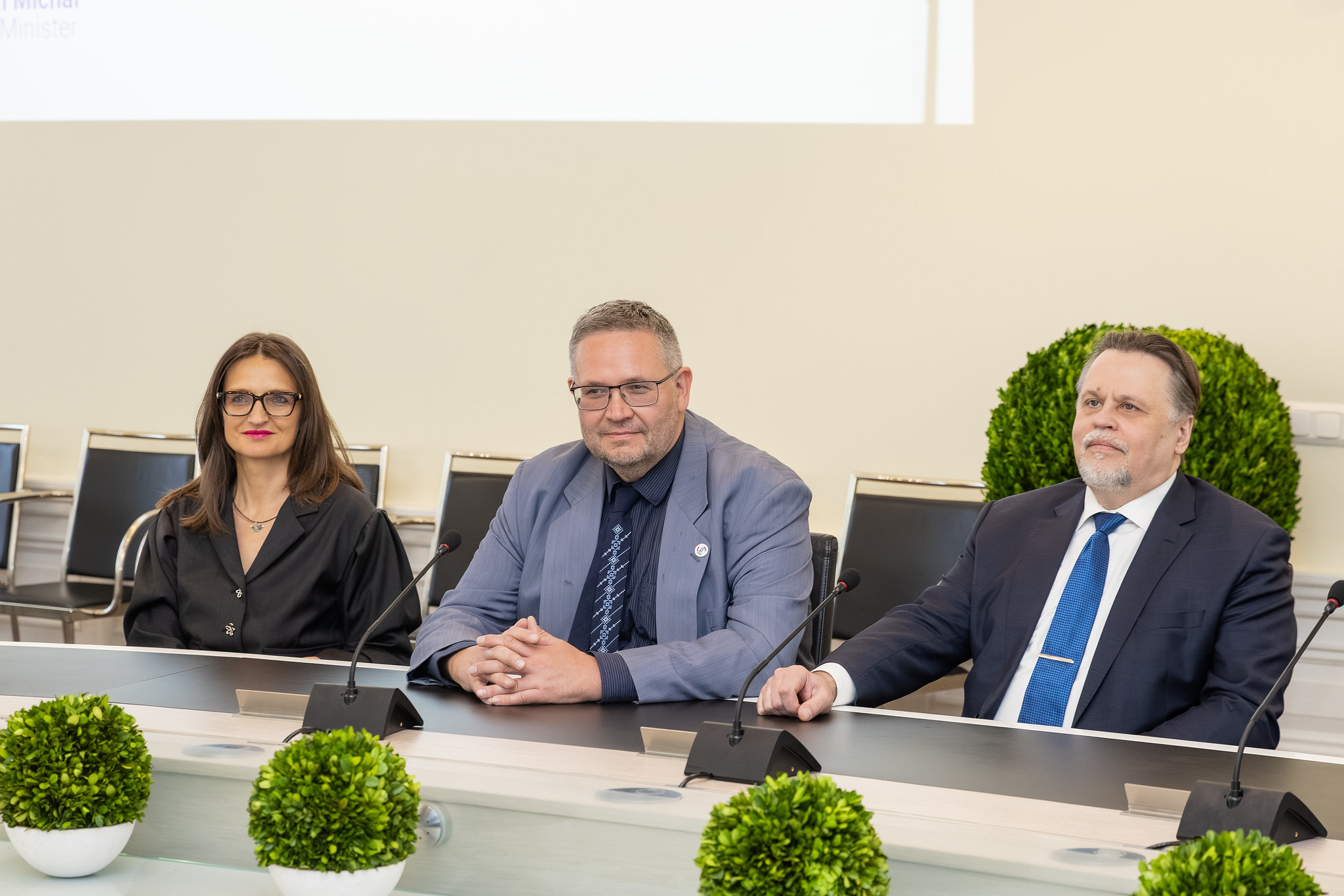
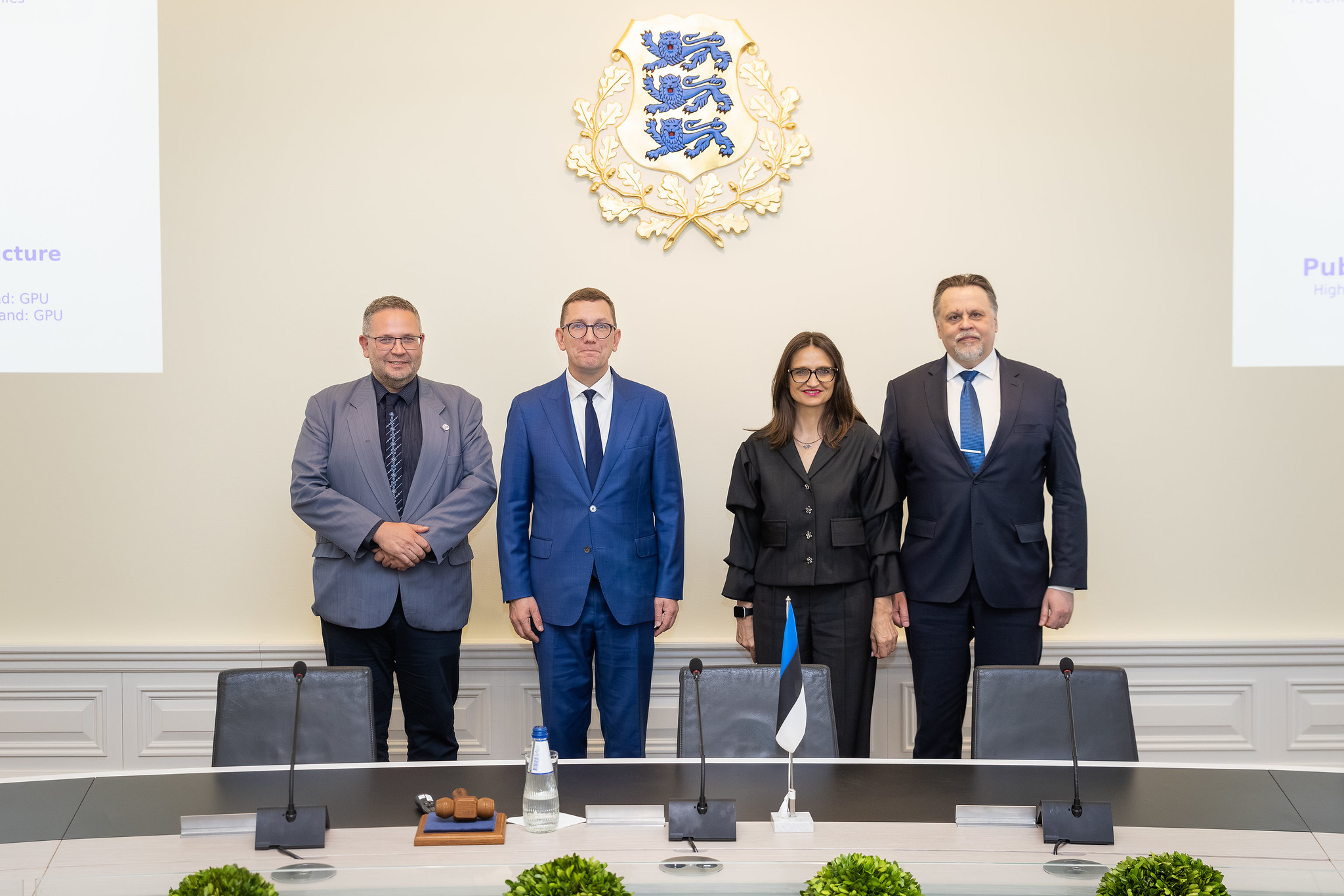
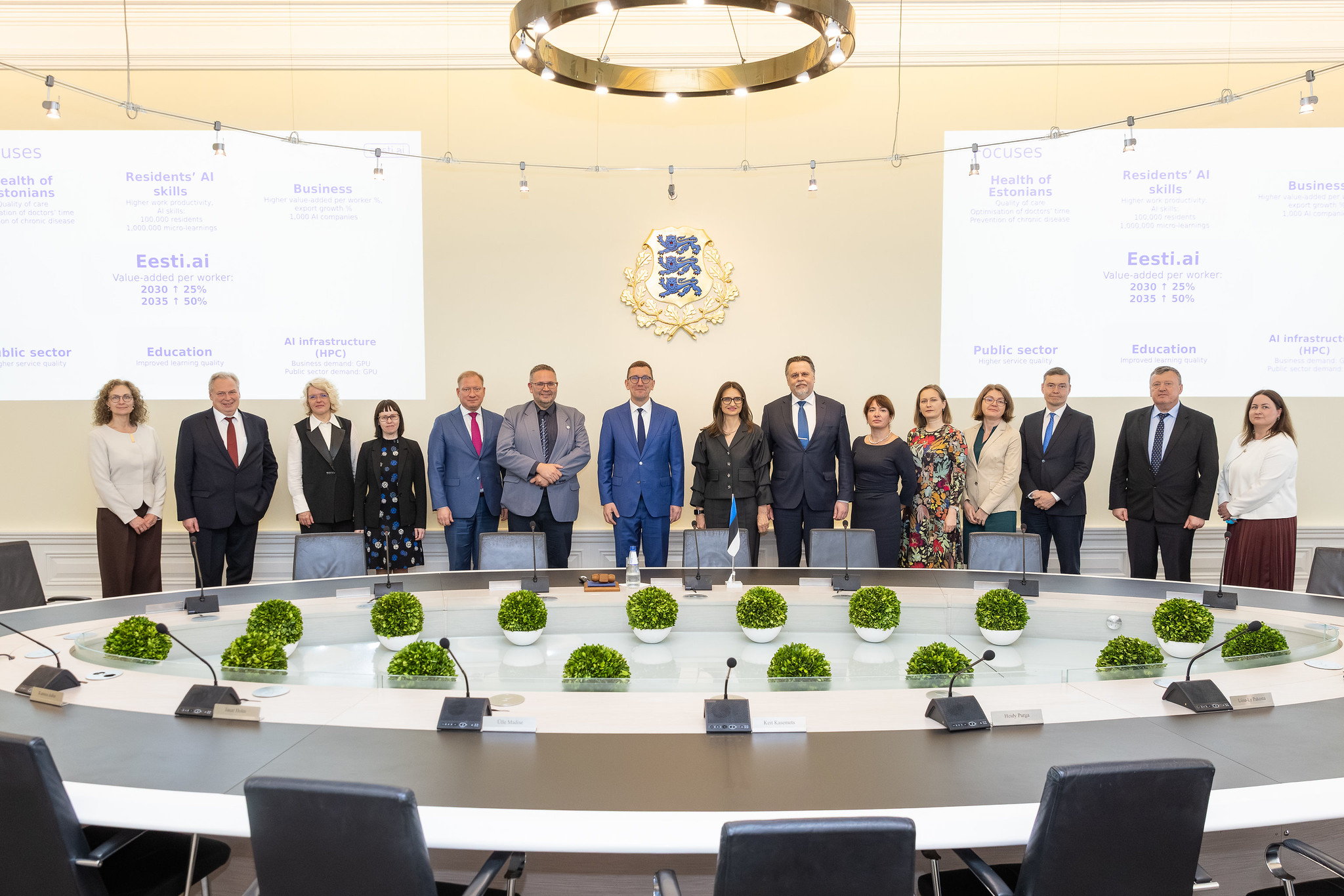
As part of the meeting, the delegations also visited the Stenbock House, where the Prime Minister of Estonia, Mr Kristen Michal, provided an overview of cooperation among the Baltic States across various fields and presented Estonia’s plans for the implementation of artificial intelligence technologies.
Photos by Jürgen Randma
Further information:
Karin Leichter-Tammisto
Legal Adviser to the President of the Supreme Court
+372 5401 1322,
karin [dot] leichter-tammisto riigikohus [dot] ee